Art Director + UX/UI Designer

L. Alejandra Serpa

Art Director + UX/UI Designer

L. Alejandra Serpa

Art Director + UX/UI Designer
L. Alejandra Serpa

Lutèce

Overview

Overview

Overview

Lutèce was created as the evolution of Café Bonaparte, a long standing Georgetown restaurant seeking to introduce a more contemporary culinary vision while preserving its neighborhood charm and European roots.

Named after Lutèce, the ancient Roman city that later became Paris, the new concept was shaped in part by the arrival of Executive Chef Matt Conroy, whose experience in acclaimed New York kitchens helped define a more modern approach to French-inspired dining.

The challenge was to develop a visual identity that balanced contemporary sophistication with the warmth, authenticity, and European character that define both the restaurant and its culinary philosophy.

My contribution

My contribution

Brand Identity
Website Design
Print Design

The team

Art Director:
Alejandra Serpa

Year

2021

Project image

Process

Process

Visual Language

The visual system draws inspiration from European café culture, traditional French bistros, and contemporary editorial design.

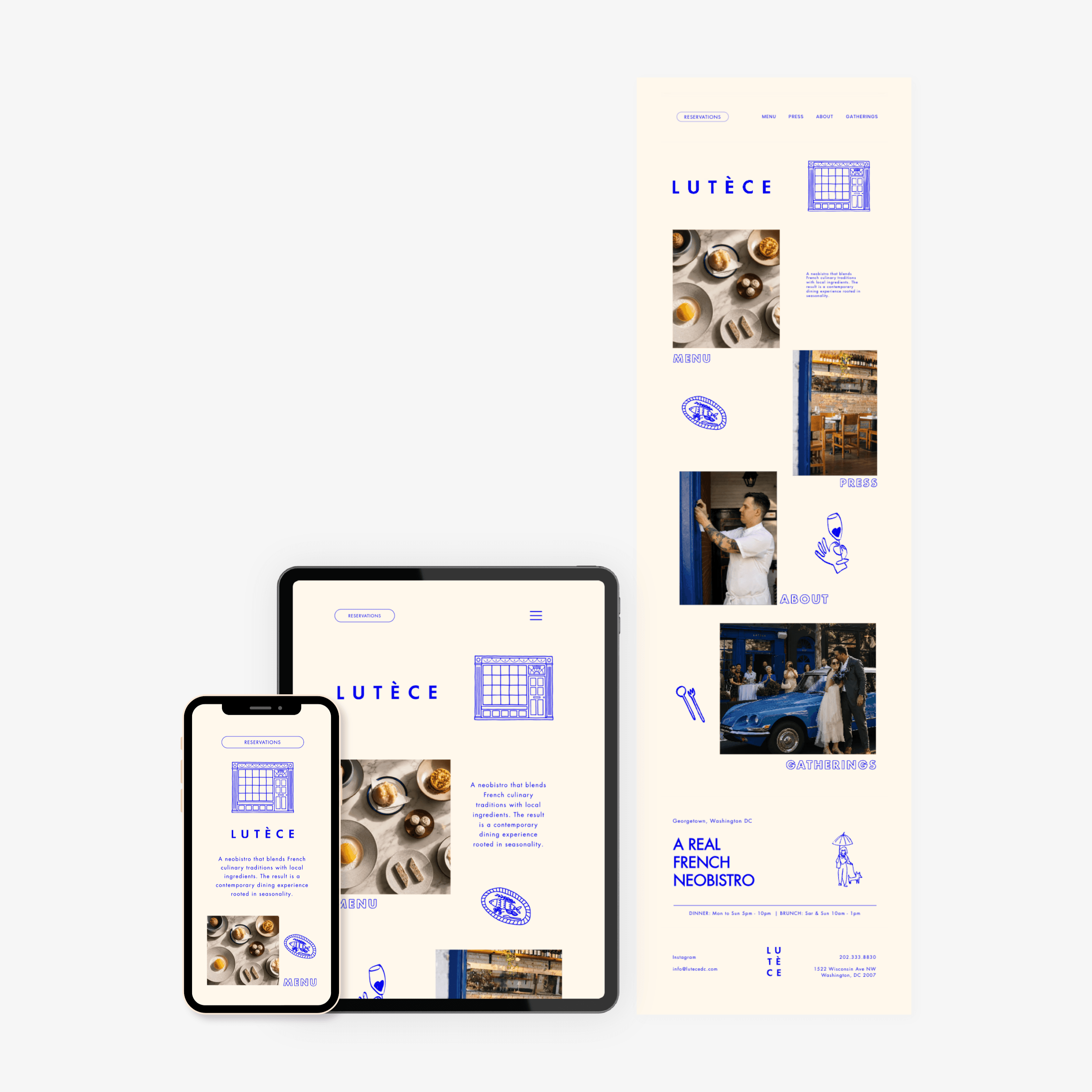
A restrained palette of rich blue and warm neutrals was developed to create a refined yet inviting atmosphere while allowing the food, environment, and storytelling to remain at the center of the experience.

Illustration System

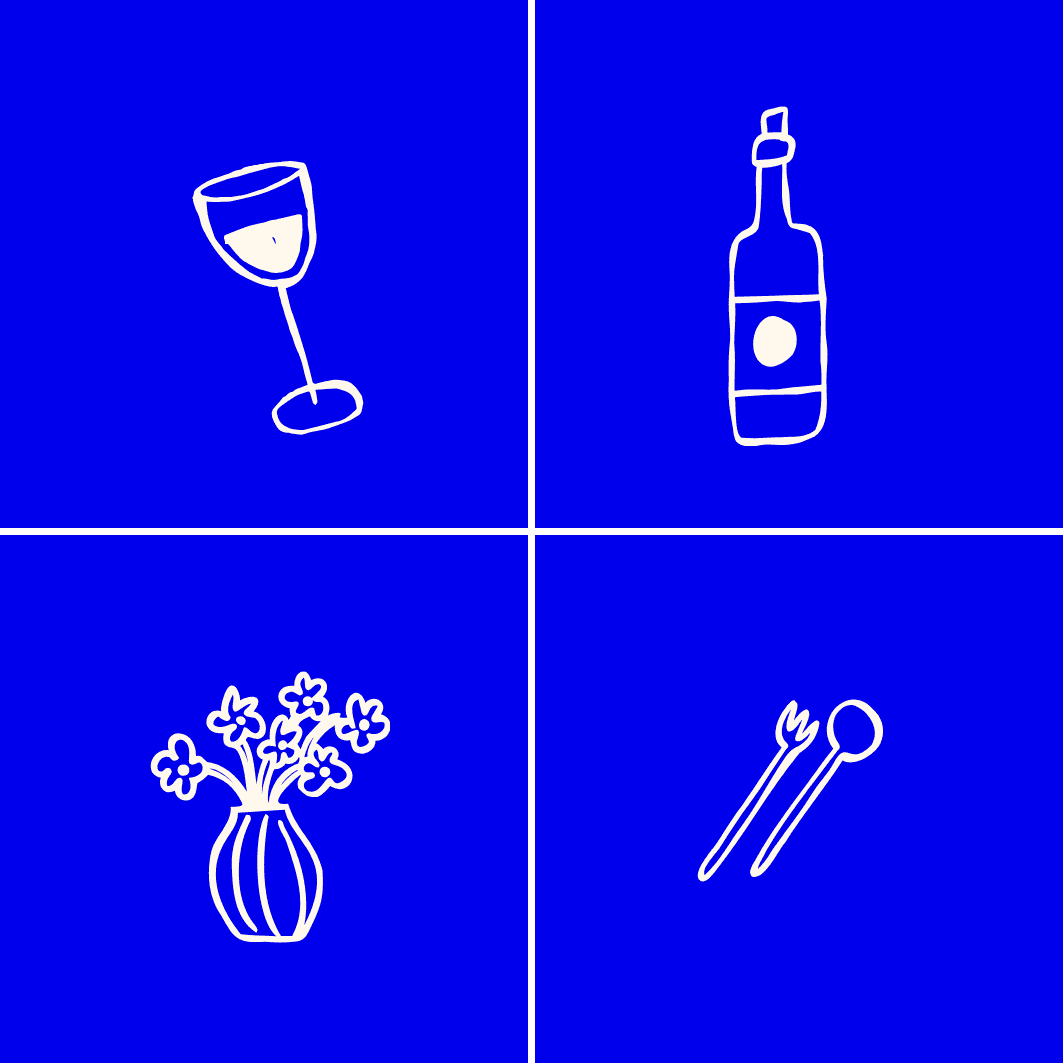
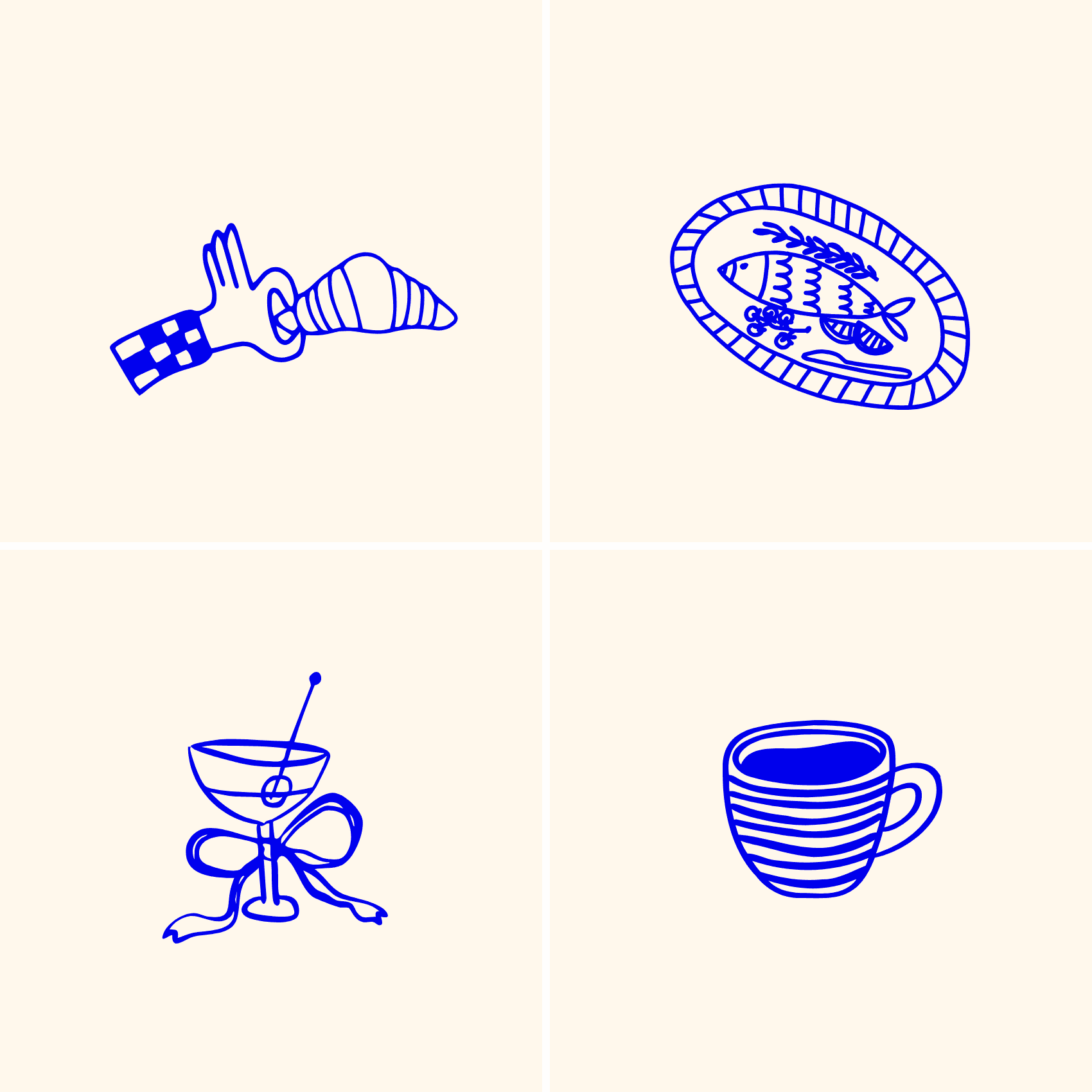
Hand-drawn illustrations were developed as an integral part of the identity system, drawing inspiration from everyday elements of European café culture, French dining traditions, and the restaurant experience itself.

From wine and bread to tableware, ingredients, and architectural references, the illustrations add warmth, personality, and a sense of craftsmanship while creating a flexible visual language that extends across menus, merchandise, packaging, and branded materials.

Typography System

Futura was selected as the primary typeface for its ability to balance modernity with timelessness.

Its clean geometric structure provides a contemporary foundation while maintaining elegance and clarity. Paired with handcrafted illustrations and tactile applications, the typography helps create a visual language that feels both sophisticated and approachable.

The contrast between modern typography and organic graphic elements reflects the restaurant's broader philosophy: honoring tradition while embracing a contemporary point of view.

Color System

Klein Blue was selected as the primary brand color as a subtle reference to French modernism and the work of Yves Klein. Its bold presence creates strong recognition while reinforcing the restaurant's French roots.

A warm beige balances the palette, introducing a sense of comfort, warmth, and approachability inspired by natural materials and intimate dining experiences.

Together, these colors create a visual language that feels both refined and welcoming.

Visual Language

The visual system draws inspiration from European café culture, traditional French bistros, and contemporary editorial design.

A restrained palette of rich blue and warm neutrals was developed to create a refined yet inviting atmosphere while allowing the food, environment, and storytelling to remain at the center of the experience.

Illustration System

Hand-drawn illustrations were developed as an integral part of the identity system, drawing inspiration from everyday elements of European café culture, French dining traditions, and the restaurant experience itself.

From wine and bread to tableware, ingredients, and architectural references, the illustrations add warmth, personality, and a sense of craftsmanship while creating a flexible visual language that extends across menus, merchandise, packaging, and branded materials.

Typography System

Futura was selected as the primary typeface for its ability to balance modernity with timelessness.

Its clean geometric structure provides a contemporary foundation while maintaining elegance and clarity. Paired with handcrafted illustrations and tactile applications, the typography helps create a visual language that feels both sophisticated and approachable.

The contrast between modern typography and organic graphic elements reflects the restaurant's broader philosophy: honoring tradition while embracing a contemporary point of view.

Color System

Klein Blue was selected as the primary brand color as a subtle reference to French modernism and the work of Yves Klein. Its bold presence creates strong recognition while reinforcing the restaurant's French roots.

A warm beige balances the palette, introducing a sense of comfort, warmth, and approachability inspired by natural materials and intimate dining experiences.

Together, these colors create a visual language that feels both refined and welcoming.

Project image

Brand Applications

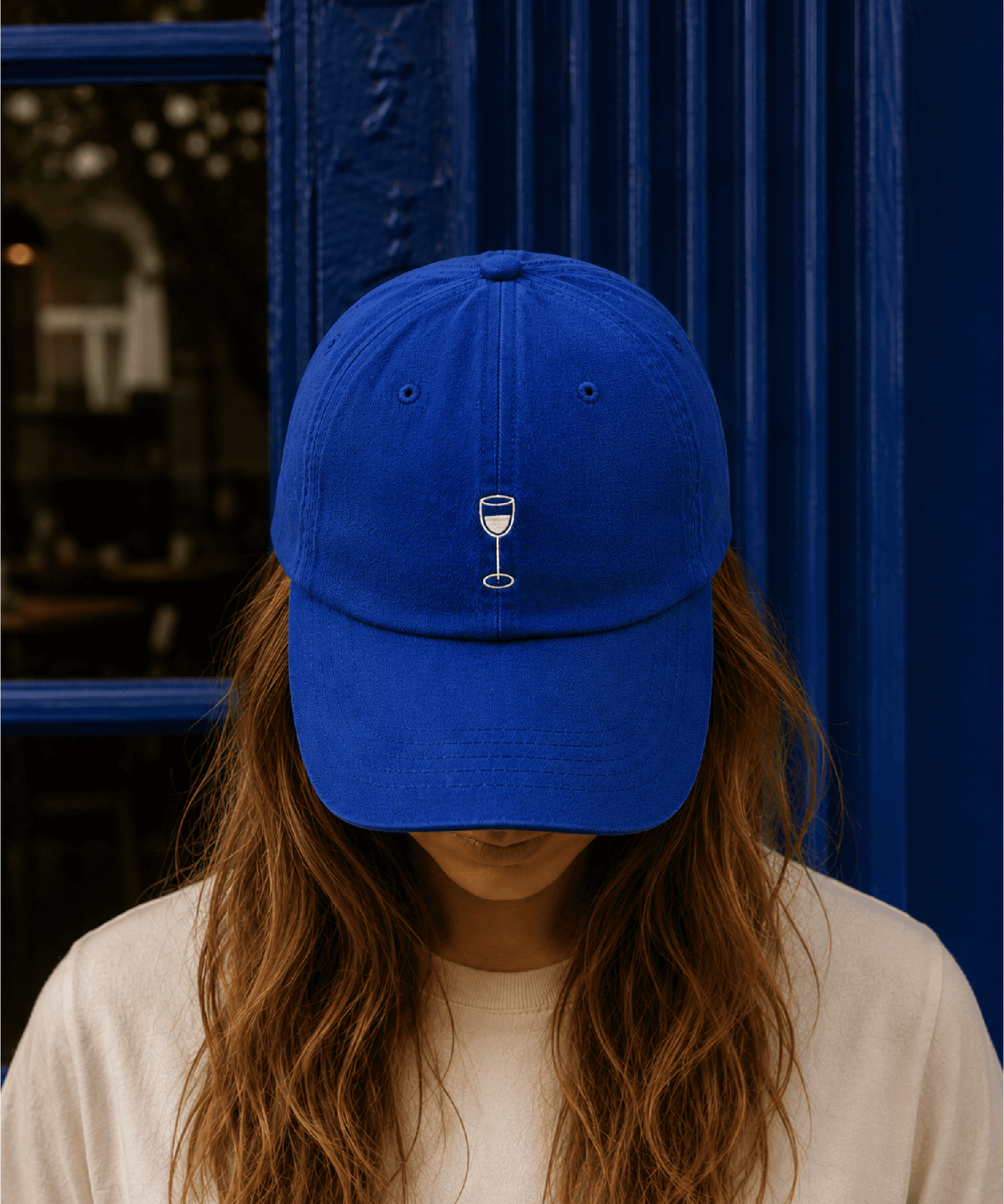
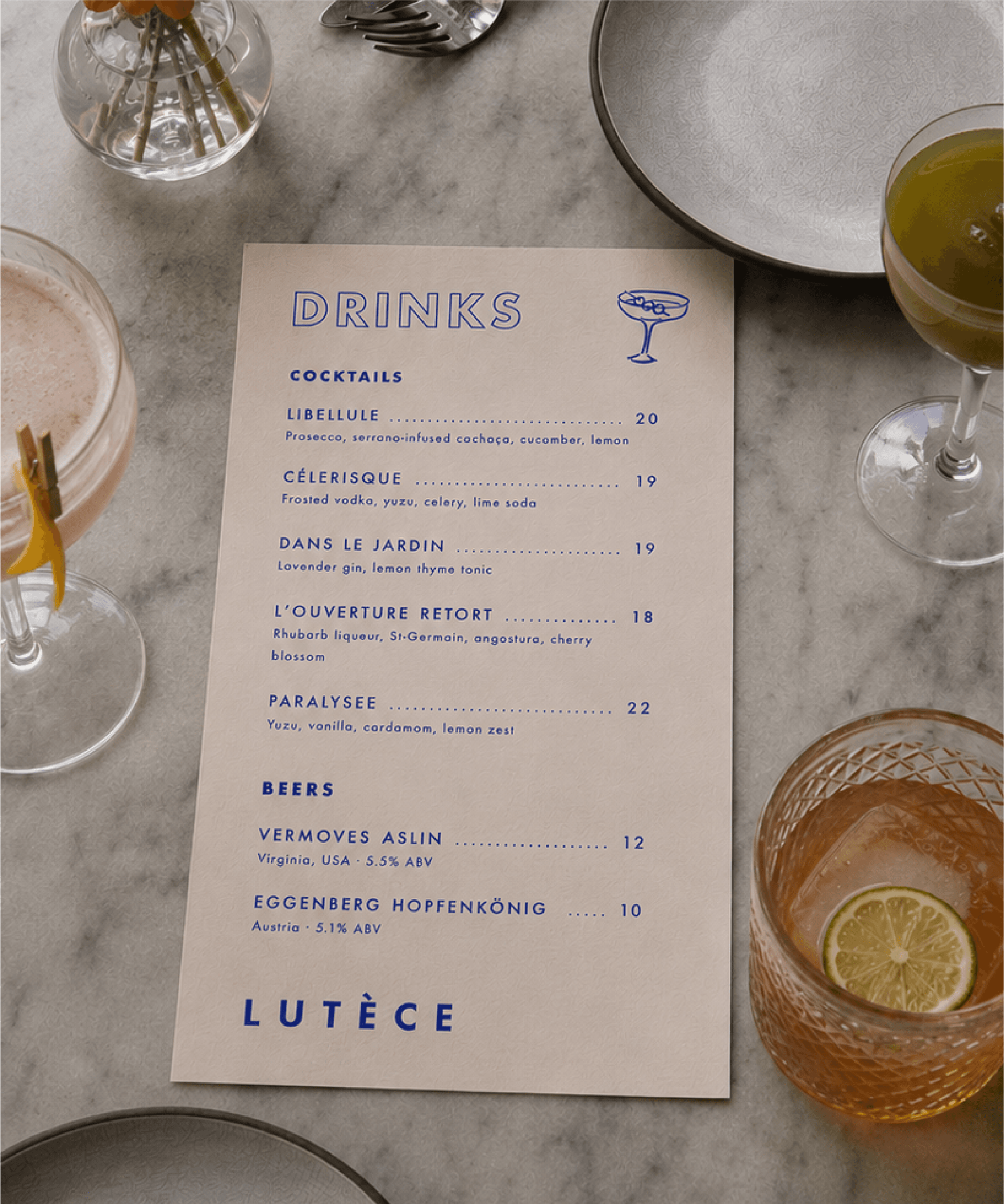
The identity was designed to extend beyond the logo, creating a cohesive system that could support every aspect of the guest experience.

From menus and printed materials to uniforms, packaging, signage, and merchandise, each touchpoint was developed to reinforce Lutèce's contemporary European character while maintaining a sense of warmth, craftsmanship, and approachability.

The result is a flexible brand system that feels consistent across physical and digital environments while allowing the restaurant's culinary experience to remain the focal point.

Outcome

Outcome

The rebrand successfully transformed Café Bonaparte into Lutèce, establishing a distinctive identity that reflects the restaurant's contemporary culinary direction while preserving its European character and neighborhood appeal.

The resulting system creates a cohesive and memorable brand experience across physical and digital touchpoints, positioning Lutèce as a modern destination for French-inspired dining rooted in quality, authenticity, and hospitality.

The identity provided a flexible foundation for future growth while helping communicate the restaurant's unique balance of elevated cuisine, approachable atmosphere, and contemporary European sensibility.
Lutèce